


The Art of Riding
The art of horseback riding—often referred to as equestrianism—is a blend of athletic skill, deep connection with the animal, and graceful technique. It spans a wide range of disciplines, from practical riding for transportation or work, to highly stylized competitive and performance events.
🐎 Core Elements of Horseback Riding
- Rider Position
- Seat: Balanced and deep; a rider should sit with a straight back, relaxed hips, and heels down.
- Legs: Gently hugging the horse’s sides for communication and control.
- Hands: Soft and steady on the reins, guiding rather than pulling.
- Horse-Rider Communication
- Done primarily through aids: seat, legs, hands, and voice.
- Harmony is key. Skilled riders can cue complex movements with minimal, almost invisible signals.
- Types of Riding Disciplines
- English Riding: Includes dressage, show jumping, and eventing. Focuses on elegance and precision.
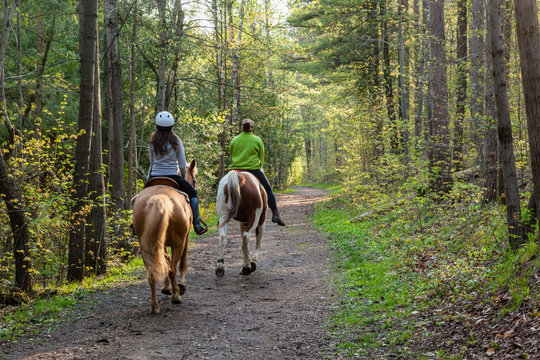
- Western Riding: Rooted in cowboy traditions. Includes reining, barrel racing, and trail riding. Known for relaxed reins and deep seats.
- Endurance Riding: Long-distance events emphasizing stamina and horsemanship.
- Vaulting: Gymnastics and dance on horseback.
- Horse Training & Partnership
- A rider must train with empathy, building trust and responsiveness.
- A well-trained horse can mirror the rider’s intention before even receiving a formal cue.
🎨 The Artistry in Riding
- Dressage, often called “horse ballet,” exemplifies the art of riding. Horse and rider perform a choreographed sequence with grace and fluidity.
- The rider becomes nearly invisible in their communication—a silent conversation of cues and responses.
- The horse’s movement becomes an expressive medium—showing power, elegance, and emotion.
🧘♀️ Mental and Physical Discipline
- Riding refines focus, patience, timing, and emotional regulation.
- Physically, it requires core strength, balance, coordination, and flexibility.
- Riders often describe entering a flow state—deeply attuned to their mount and the rhythm of movement.
🌍 Cultural and Historical Depth
- From the nomadic warriors of Central Asia to the ceremonial riders of European courts, horseback riding carries cultural stories and historic prestige.
- It’s both a practical survival skill and a timeless art form.